HAAGOTU™ EGCG - Frequently Asked Questions
Nature. Science. Tea.
Frequently Asked Questions about EGCG, Green Tea Extract and Haagotu™
Haagotu™ contains EGCG (Epigallocatechin Gallate), a naturally occurring catechin found in the leaves of Camellia sinensis, the tea plant.
This FAQ explains what EGCG is, where it comes from, how it is studied, its potential health relevance, safety considerations and the science behind Haagotu™.
1. What is EGCG?
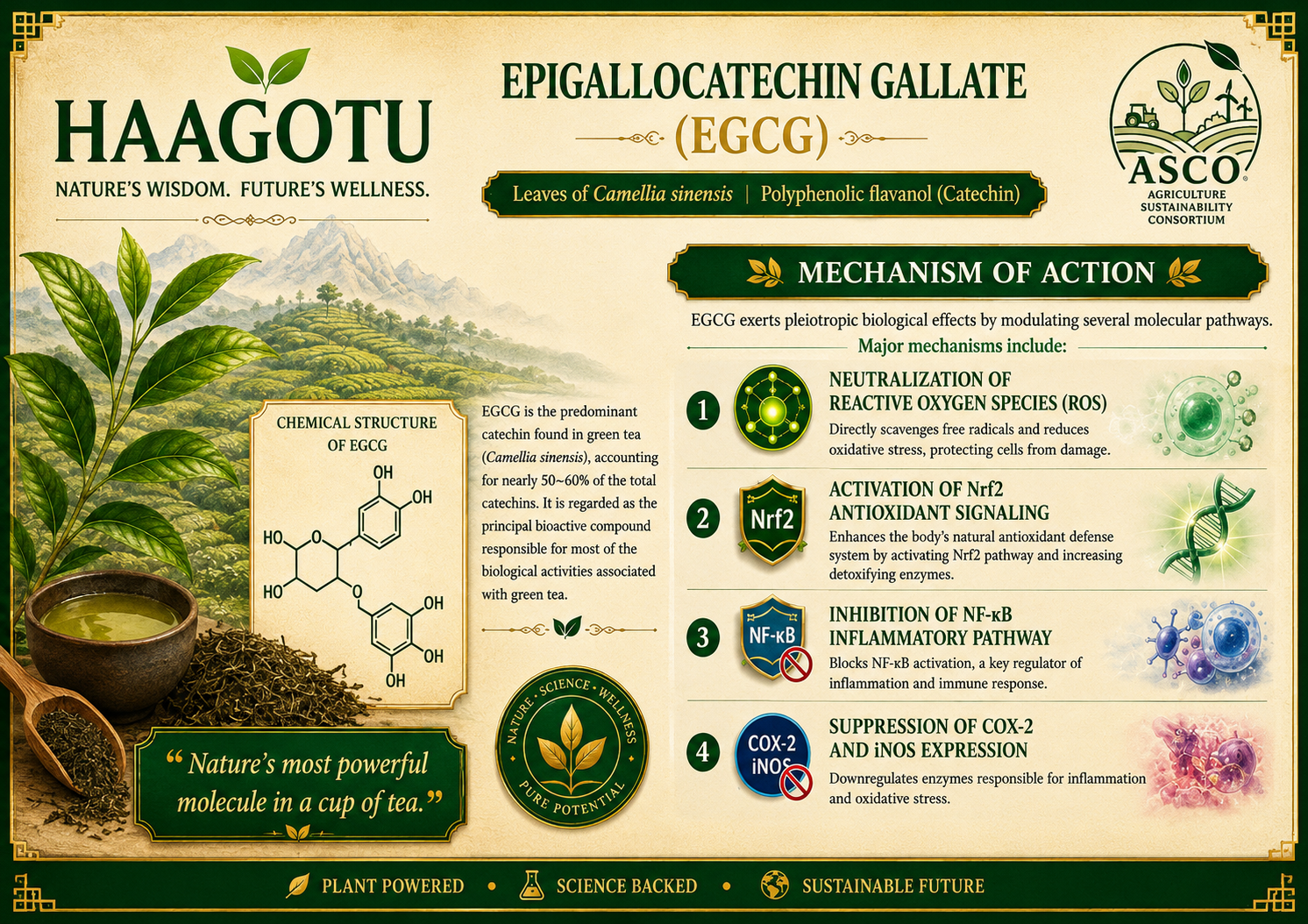
EGCG stands for Epigallocatechin-3-gallate, one of the principal catechins naturally present in tea.
It is a polyphenolic compound belonging to a larger family of tea catechins. Among the catechins in green tea, EGCG is generally regarded as one of the most abundant and extensively studied.
Scientific research has investigated EGCG for its antioxidant, cellular-signalling, metabolic, cardiovascular and other biological activities.
Importantly, evidence from laboratory and mechanistic studies should not automatically be interpreted as proof of a clinical benefit in humans.
2. What does EGCG have to do with tea?
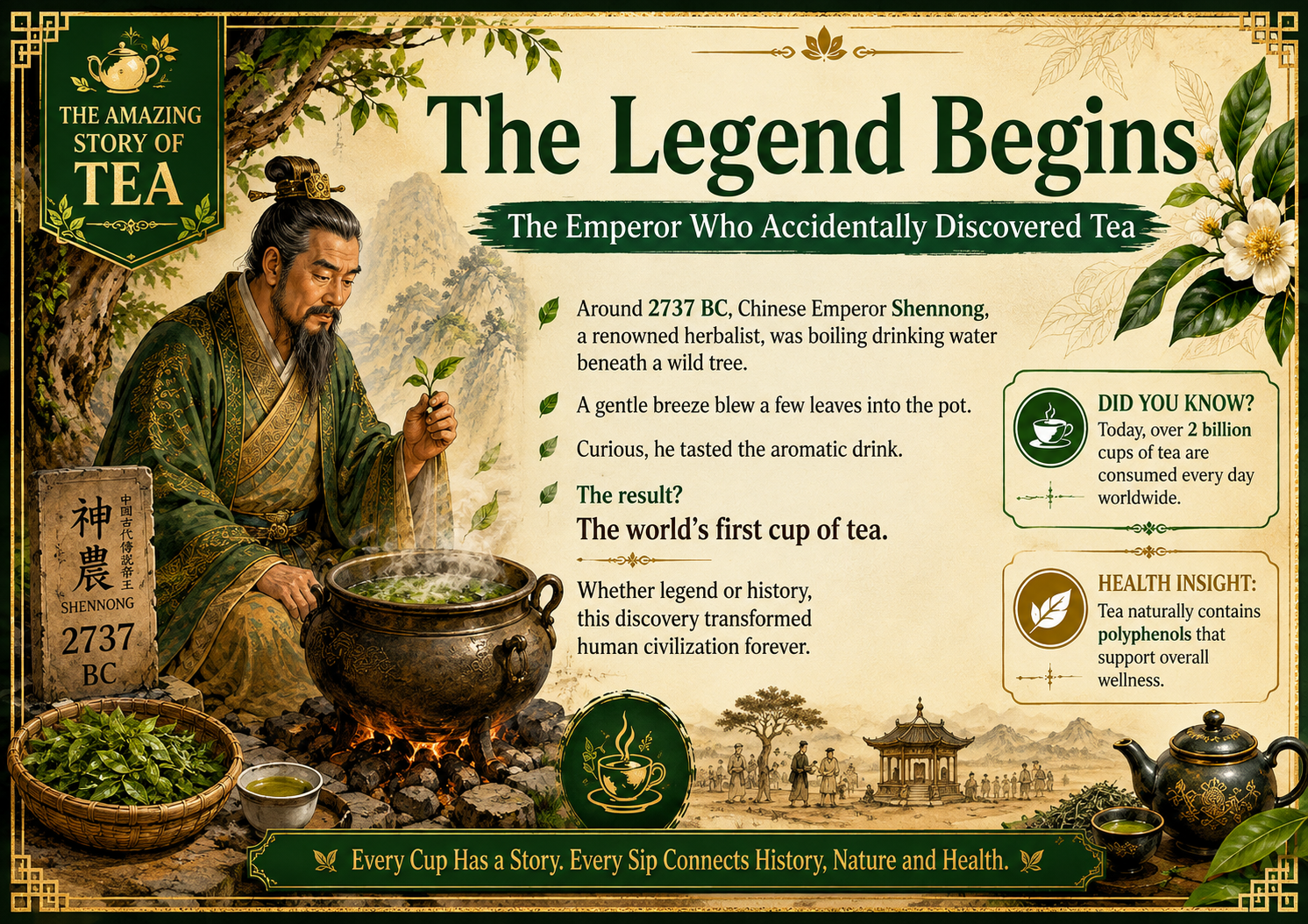
EGCG is naturally present in the leaves of the tea plant, Camellia sinensis.
Green tea is produced without the extensive oxidation used in the manufacture of black tea, helping preserve substantial amounts of tea catechins.
EGCG is therefore not an artificial compound invented for supplementation—it is a naturally occurring constituent of tea.
3. What is Haagotu™?
Haagotu™ is a brand containing EGCG derived from tea leaves.
The concept behind Haagotu™ is to bring a scientifically studied tea-derived bioactive compound into a standardized product format.
The quality and concentration of EGCG in a finished product depend on the source material, extraction process, standardization and manufacturing controls.
4. Where is the tea used for Haagotu™ sourced from?
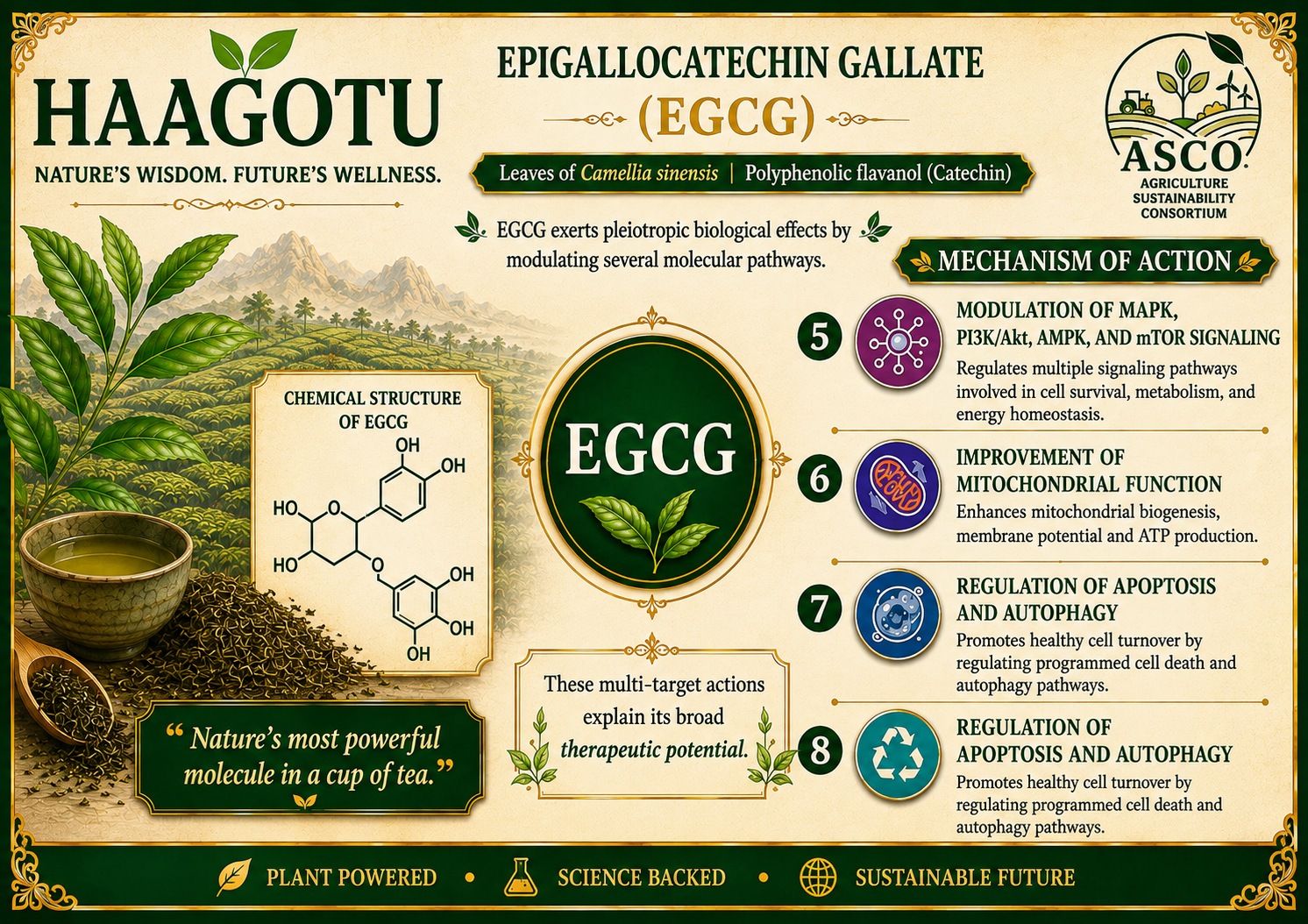
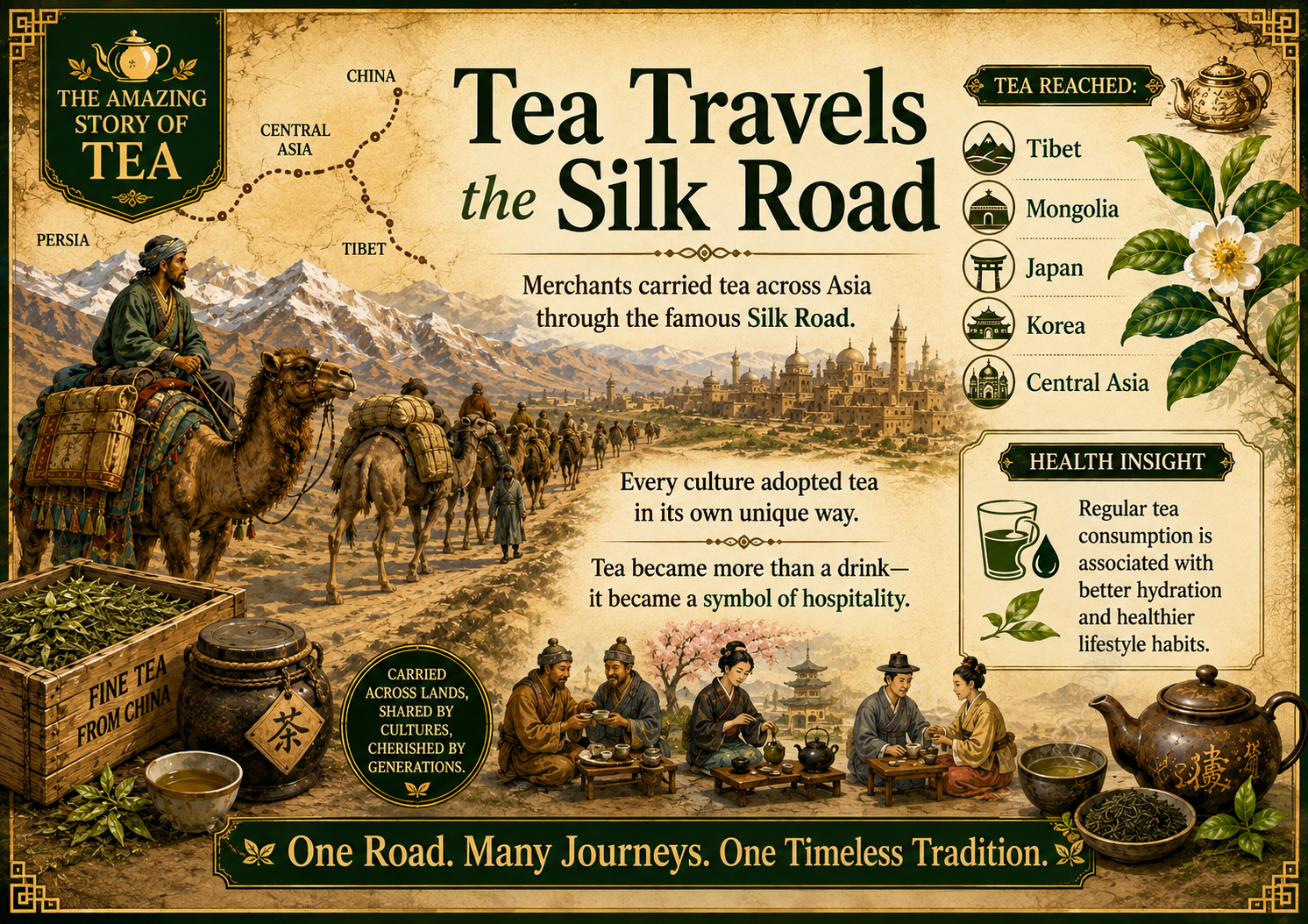
Haagotu™ is developed around tea sourced from The Nilgiris of Tamil Nadu, India—a distinctive tea-growing region known for its cool climate, high elevation and rich natural environment.
The Nilgiris provide a unique geographical identity to the tea used in the Haagotu™ story.
From the tea gardens of the Nilgiris to modern scientific research—Haagotu™ connects nature with science.
5. Why is EGCG considered an important tea compound?
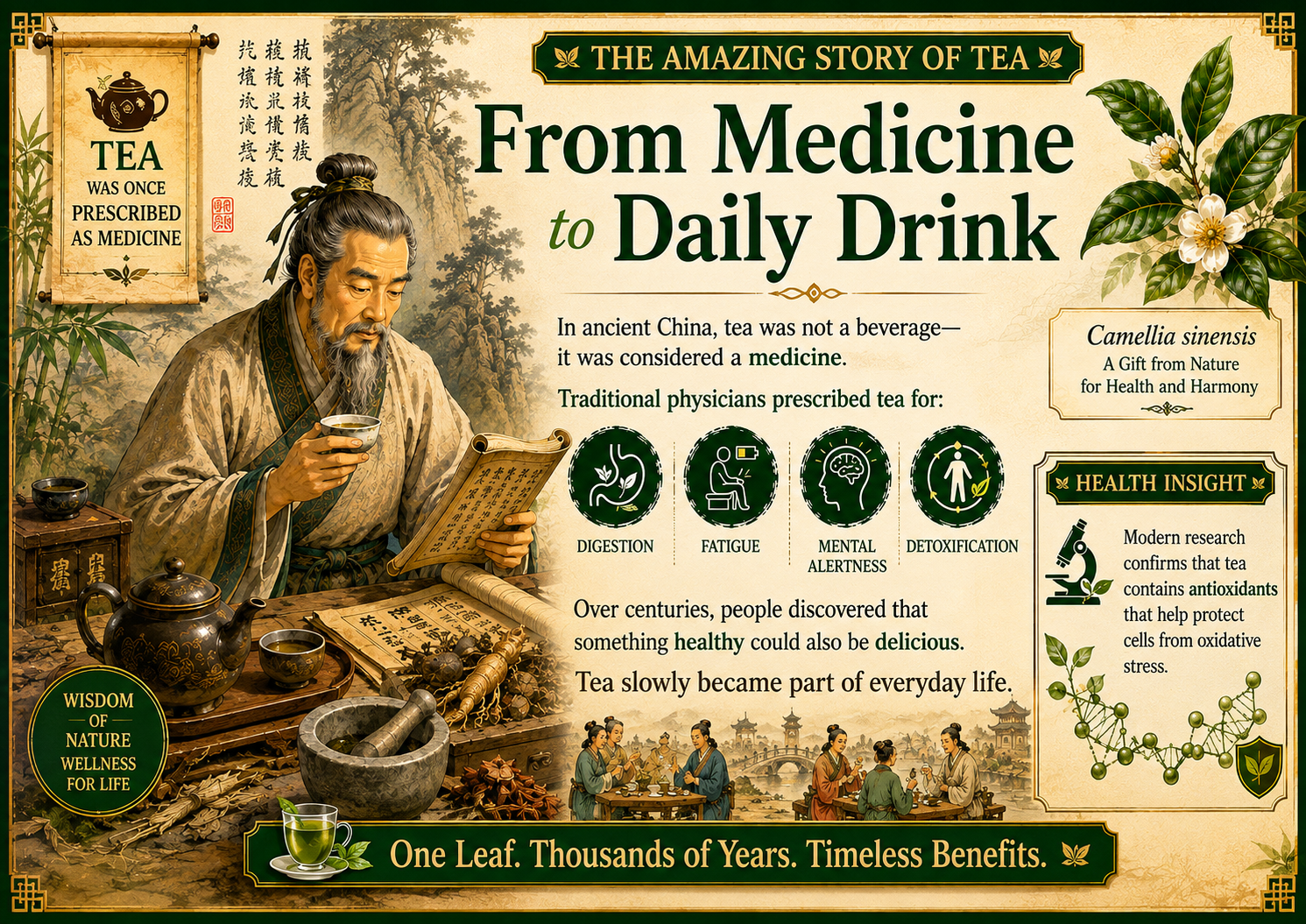
EGCG has attracted considerable scientific interest because it can interact with multiple cellular and molecular pathways.
Research has investigated mechanisms involving:
* Oxidative stress
* Cellular signalling
* Inflammatory pathways
* Lipid metabolism
* Glucose metabolism
* Vascular biology
* Cellular proliferation
* Microbial interactions
A scientific review of EGCG describes extensive cardiovascular and metabolic research, including both preclinical and clinical investigations.
6. Is EGCG an antioxidant?
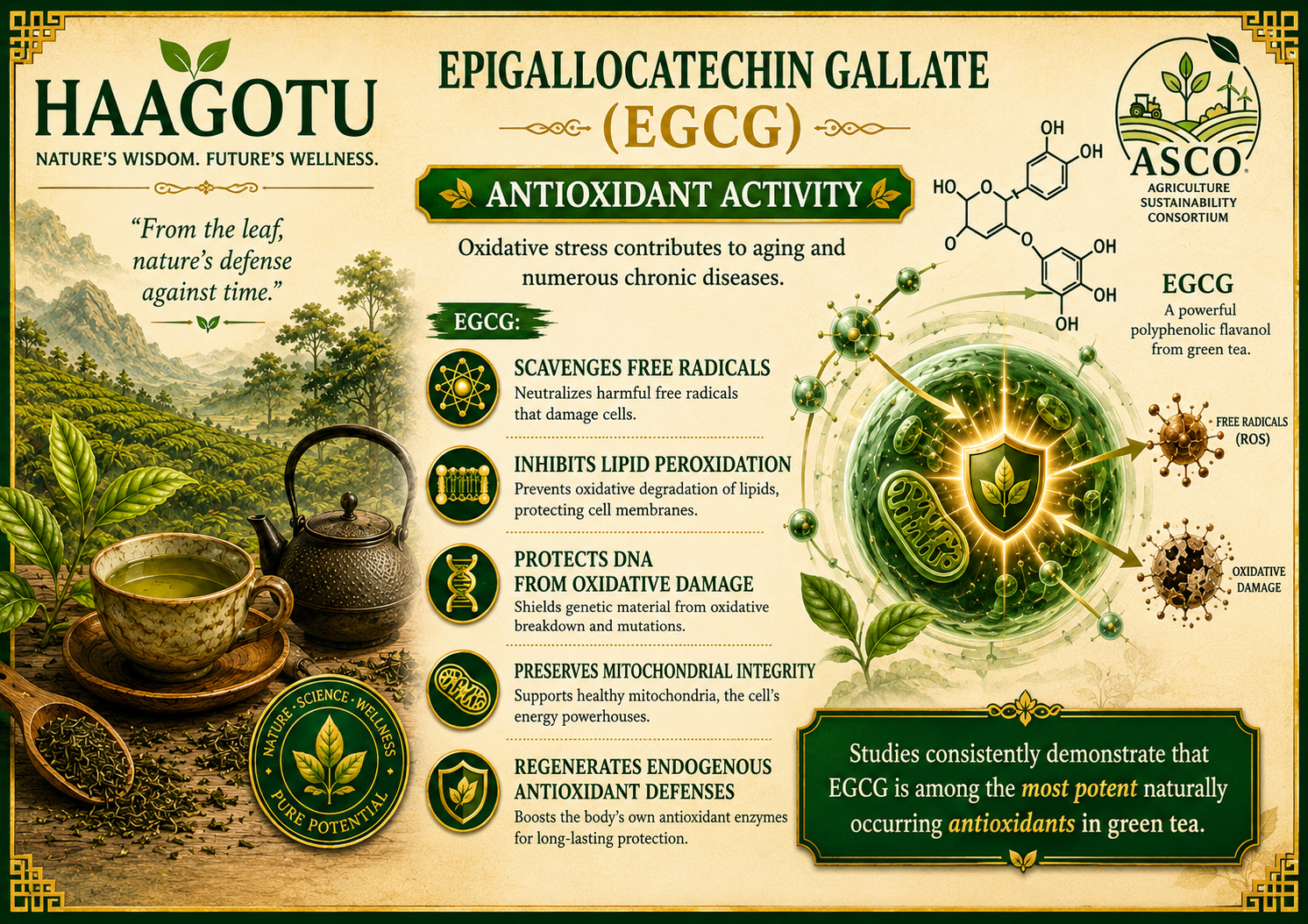
EGCG is widely studied for its antioxidant-related activity.
However, describing EGCG simply as an "antioxidant" does not capture the entire scientific picture. Its biological effects may involve several molecular pathways, including modulation of signalling pathways and cellular responses.
Therefore, Haagotu™ should be understood as a tea-derived bioactive compound, rather than merely an antioxidant product.
7. What health areas have been studied with EGCG?
Research has investigated EGCG and green tea catechins in relation to several areas, including:
* Cardiovascular health
* Metabolic health
* Lipid metabolism
* Glucose regulation
* Oxidative stress
* Inflammatory pathways
* Weight management
* Cellular health
* Neurobiological research
* Antimicrobial activity
* Cancer-related research
The strength of evidence differs considerably between these areas.
Some findings come from laboratory or animal research, while human clinical evidence is more variable. Therefore, these research areas should not be interpreted as claims that Haagotu™ prevents or treats diseases.
8. Can EGCG support cardiovascular health?
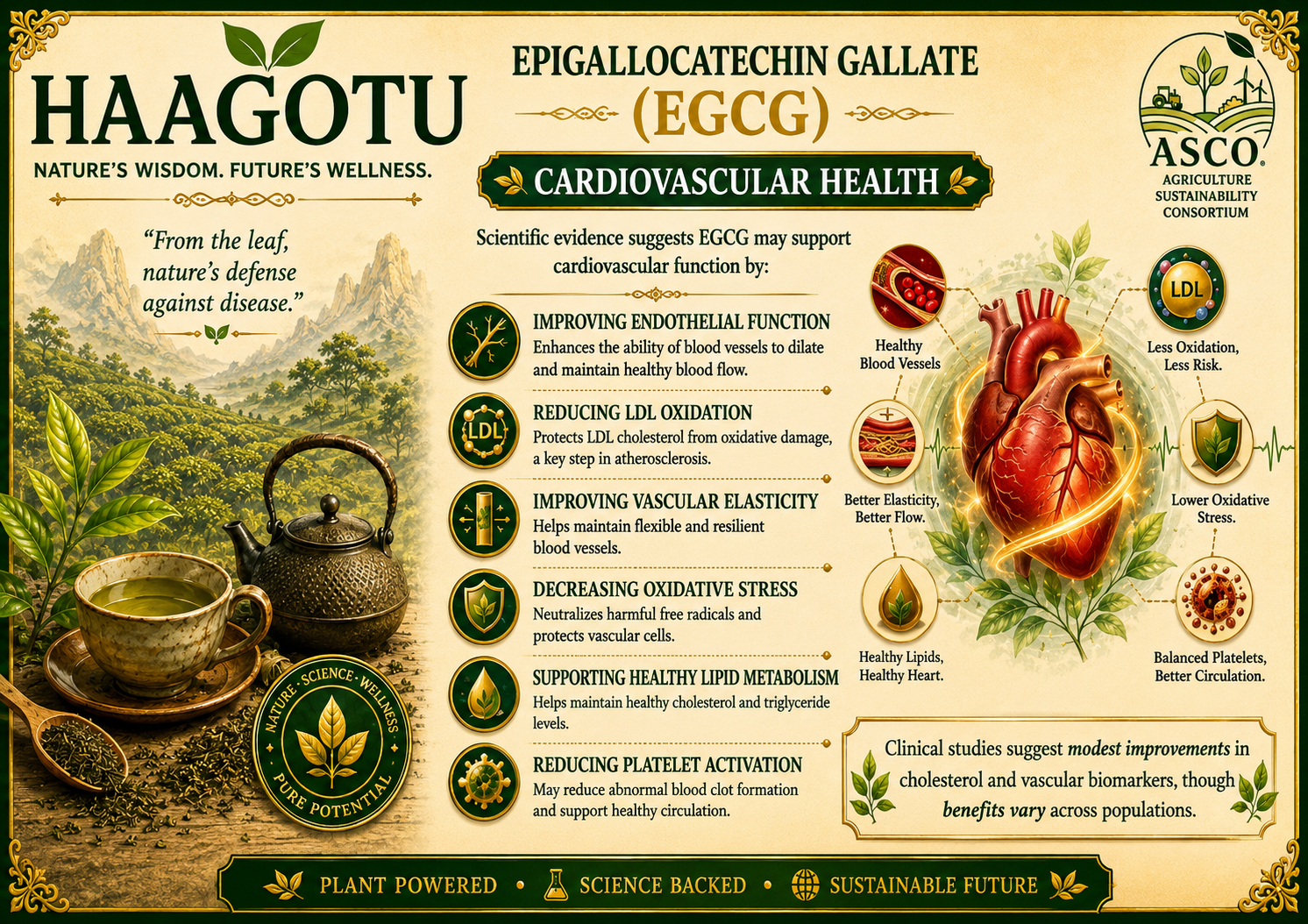
EGCG has been extensively investigated for possible cardiovascular effects.
Research has examined potential relationships with oxidative stress, endothelial function, lipid metabolism, blood pressure and other cardiovascular pathways.
Meta-analyses of green tea supplementation have reported effects on some cardiovascular risk factors, although results vary according to the product, dose, duration and population studied.
Thus, EGCG is a promising area of nutritional and biomedical research, but it should not be considered a treatment for cardiovascular disease.
9. Can EGCG help maintain healthy cholesterol levels?
Green tea and green tea extracts have been studied for their effects on blood lipids.
According to the U.S. National Center for Complementary and Integrative Health (NCCIH), randomized studies have generally found a small reduction in total cholesterol and LDL cholesterol, while effects on HDL cholesterol and triglycerides have been less consistent.
Individual responses can vary.
Haagotu™ should therefore be positioned as part of a healthy lifestyle, not as a substitute for dietary management, exercise or prescribed lipid-lowering therapy.
10. Can EGCG help with blood sugar or metabolic health?
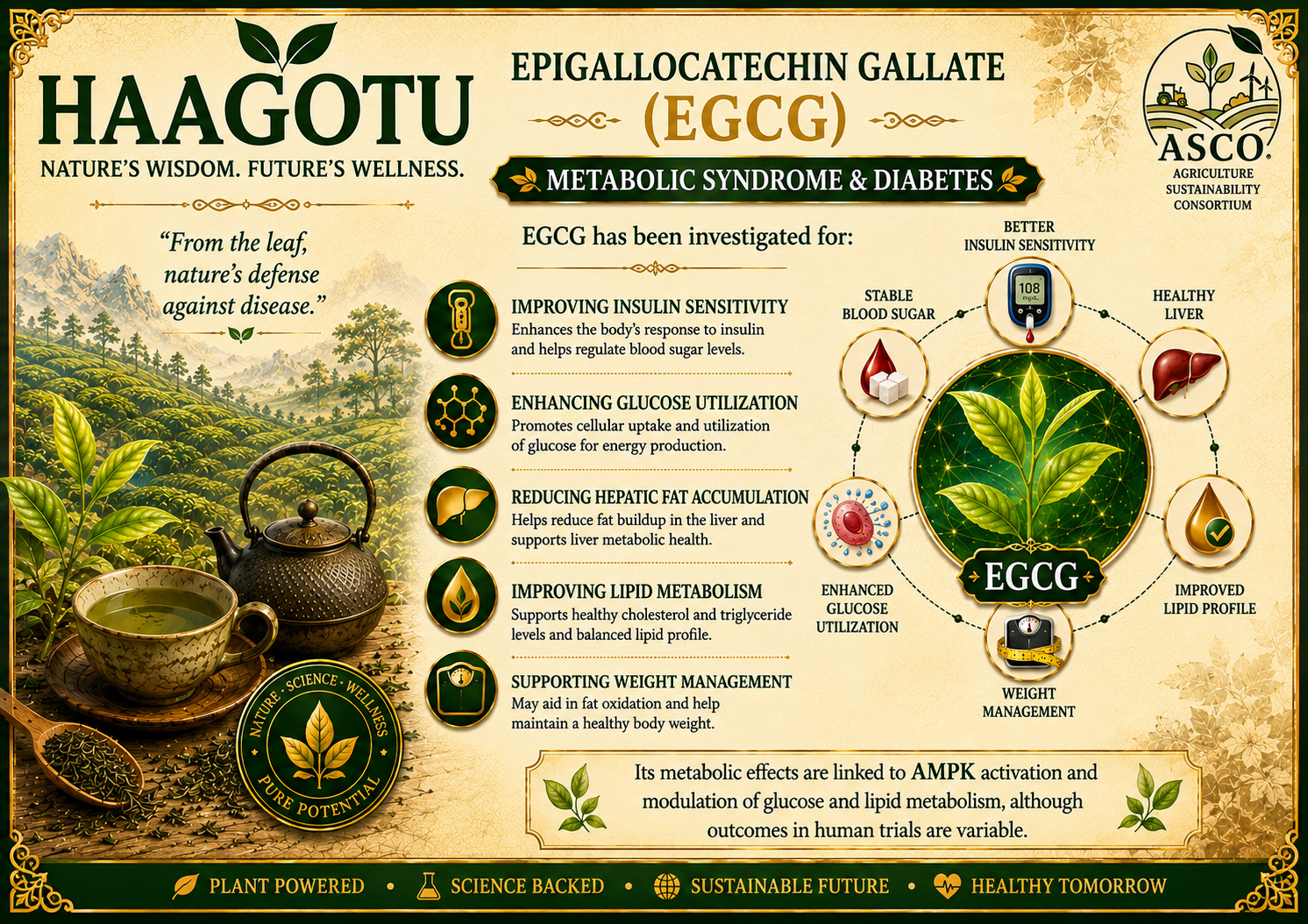
EGCG has been investigated in metabolic research, including glucose metabolism, insulin signalling and metabolic pathways.
However, evidence in humans remains variable, and research findings do not establish EGCG as a treatment for diabetes.
People taking medicines for diabetes should discuss concentrated EGCG or green tea extracts with their healthcare professional before use.
11. Can EGCG help with weight management?
Yes.
NCCIH notes that catechins and caffeine may have a modest effect on body weight, but effects can vary according to the composition of the product and individual factors such as physical activity.
EGCG should therefore not be presented as a "fat burner" or as a replacement for calorie control, physical activity and sustainable lifestyle changes.
12. Has EGCG been studied in cancer research?
EGCG stands for Epigallocatechin-3-gallate, one of the principal catechins naturally present in tea.
EGCG has been extensively investigated in laboratory and observational research related to cancer biology.
However, research interest does not mean proven cancer prevention or treatment.
NCCIH states that human studies examining green tea and cancer have produced inconsistent results and that current evidence does not establish that green tea prevents cancer.
Accordingly, Haagotu™ should never be presented as a cancer treatment or cure.
13. Does EGCG have anti-inflammatory activity?
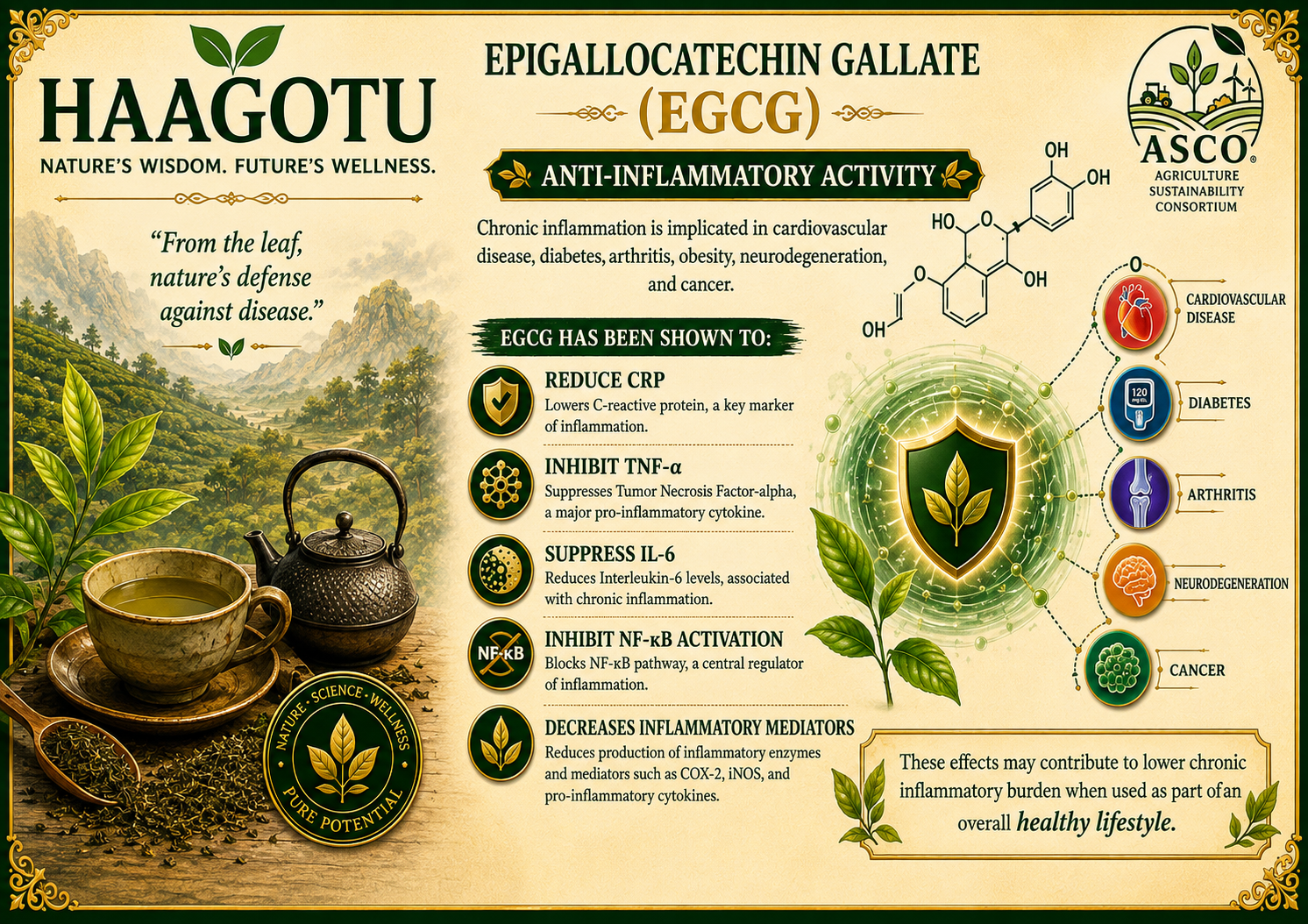
EGCG has been investigated for effects on several inflammatory signalling pathways.
Much of the mechanistic evidence comes from laboratory and preclinical studies.
The biological activity observed in experimental models cannot automatically be translated into a clinically meaningful anti-inflammatory effect in humans.
14. Has EGCG been studied for antimicrobial activity?
Yes.
Laboratory studies have investigated EGCG against various microorganisms, including certain:
* Gram-positive bacteria
* Gram-negative bacteria
* Viruses
* Fungi
Proposed mechanisms include effects on microbial membranes, enzymes and other cellular processes.
However, laboratory antimicrobial activity does not mean that oral EGCG can treat an infection in humans.
15. Is EGCG the same as green tea?
No.
Green tea is a complex natural beverage containing many compounds, including:
* Catechins
* Caffeine
* Amino acids
* Minerals
* Other polyphenols
EGCG is one specific catechin within tea.
Haagotu™ focuses on EGCG rather than attempting to reproduce every constituent of a cup of tea.
16. Is EGCG naturally occurring?
Yes.
EGCG naturally occurs in tea leaves from Camellia sinensis.
The EGCG used in a standardized product is obtained through processing and extraction of tea material.
17. Why standardize EGCG?
The concentration of naturally occurring compounds in botanical materials can vary.
Standardization helps provide a more consistent amount of the intended bioactive compound from serving to serving.
For a product such as Haagotu™, standardized EGCG content can therefore be an important aspect of quality, consistency and transparency.
18. Why is the source of tea important?
The chemical composition of tea can be influenced by factors such as:
* Variety of tea plant
* Geography
* Elevation
* Climate
* Soil
* Agricultural practices
* Harvesting
* Processing
* Storage
Haagotu™ highlights tea from The Nilgiris of Tamil Nadu, combining the heritage of Indian tea cultivation with modern extraction and standardization.
19. Is Haagotu™ a medicine?
Haagotu™ should be positioned according to its applicable FSSAI category and approved product claims.
Health supplements and nutraceuticals are regulated in India under the FSSAI framework. FSSAI states that these products are intended to provide nutritional/physiological benefits and are not intended to treat or cure diseases.
Always refer to the product label for the exact regulatory category, recommended usage and approved claims.
20. Can Haagotu™ replace medicines?
No.
Haagotu™ should not be used as a replacement for prescribed medicines or medical treatment.
People taking medication for diabetes, cholesterol, blood pressure, cardiovascular disease or other conditions should consult their healthcare professional before adding a concentrated EGCG product to their routine.
21. Is EGCG safe?
EGCG has a long history of research, but dose and product format matter.
Moderate consumption of green tea as a beverage is generally considered safe. However, concentrated green tea extracts have been associated with uncommon cases of liver injury.
Safety therefore depends on the amount of EGCG consumed, formulation, frequency, individual susceptibility and whether it is taken with food.
22. Why is there a safety discussion around concentrated EGCG?
A key distinction is between ordinary brewed tea and concentrated extracts or supplements.
The European Food Safety Authority (EFSA) concluded that catechins from green tea infusions are generally safe, while food-supplement doses of 800 mg EGCG/day or more may be associated with initial signs of liver injury. EFSA was unable to establish a completely safe supplemental dose from the available evidence.
A systematic review similarly found that liver-related adverse effects were associated particularly with concentrated catechin-rich preparations taken as large bolus doses, rather than brewed tea or beverage preparations.
This is why responsible standardization, dosage and usage instructions matter.
23. Should EGCG be taken with food?
Concentrated green tea extracts are generally advised to be taken with food rather than on an empty stomach, unless the product's specific directions or a healthcare professional advise otherwise.
NCCIH notes expert advice that green tea extracts should be taken with food because concentrated extracts have been associated with rare liver problems.
Always follow Haagotu™'s approved label directions.
24. Who should exercise particular caution with EGCG products?
Extra caution is appropriate for people who:
* Have existing liver disease
* Are taking multiple medicines
* Are pregnant or breastfeeding
* Have a history of sensitivity to green tea extracts
* Are considering high-dose supplementation
* Are using other concentrated botanical supplements
People in these categories should seek advice from a qualified healthcare professional before using concentrated EGCG.
25. Can EGCG interact with medicines?
Potential interactions have been reported with green tea and green tea extracts.
For example, NCCIH reports evidence that high doses of green tea can reduce blood levels of nadolol, while green tea extract may reduce blood levels of atorvastatin. Other interactions may also occur.
Therefore, people taking prescription medicines should disclose their use of EGCG-containing products to their doctor or pharmacist.
26. What are possible side effects of concentrated green tea extracts?
Reported side effects may include:
* Nausea
* Abdominal discomfort
* Constipation
* Headache
* Dizziness
* Increased blood pressure in some circumstances
Rarely, clinically significant liver injury has been reported with concentrated green tea extracts.
27. What symptoms should prompt discontinuation and medical advice?
Stop using a concentrated green tea extract and seek medical advice if symptoms suggestive of liver problems occur, particularly:
* Unusual abdominal pain
* Dark urine
* Yellowing of the eyes or skin
* Unexplained severe fatigue
* Other concerning symptoms
NCCIH specifically highlights abdominal pain, dark urine and jaundice as symptoms requiring attention.
28. Can children take EGCG supplements?
Children should not be given concentrated EGCG products unless specifically recommended by an appropriate healthcare professional and permitted by the product's regulatory requirements.
The safety and appropriate dosage of concentrated EGCG can differ substantially from ordinary tea consumption.
29. Can pregnant or breastfeeding women take Haagotu™?
Pregnant or breastfeeding women should consult their healthcare professional before using a concentrated EGCG product.
Green tea may also contain caffeine, depending on the formulation. NCCIH notes that caffeine intake during pregnancy should remain within recommended moderate limits.
30. Is Haagotu™ a substitute for drinking tea?
Not necessarily.
Tea is a traditional beverage containing a complex mixture of naturally occurring compounds.
Haagotu™ has a different purpose: it provides a standardized source of EGCG in a defined product format.
The two should not be considered chemically identical.
31. Why is scientific evidence important for Haagotu™?
The Haagotu™ philosophy is based on a simple principle:
Nature provides the molecule. Science helps us understand it.
EGCG has been studied across biochemical, preclinical and clinical research.
A responsible brand should distinguish between:
Established facts → promising research → preliminary findings → unproven claims.
Haagotu™ follows this evidence-conscious approach rather than presenting experimental findings as medical promises.
32. Does more EGCG always mean better results?
No.
Higher concentration does not automatically mean greater health benefit.
With bioactive compounds, dose, absorption, formulation, duration, individual response and safety all matter.
In fact, safety concerns with concentrated green tea extracts demonstrate why "more is better" is not an appropriate principle for EGCG supplementation. EFSA has specifically raised concerns about high supplemental doses.
33. What makes Haagotu™ different?
Haagotu™ is built around three principles:
1. TEA-DERIVED
EGCG originates from tea leaves.
2. STANDARDIZED
The product is designed around a defined EGCG concentration rather than relying solely on naturally variable tea composition.
3. SCIENCE-LED
The product story is grounded in published scientific research while avoiding unsupported medical claims.
From the Nilgiris to modern science—Haagotu™ brings the story of tea into a standardized EGCG format.
34. Is Haagotu™ intended to treat any disease?
No.
Haagotu™ is not intended to diagnose, treat, cure or prevent any disease unless a specific claim has been expressly authorized under applicable regulations.
FSSAI's regulatory framework specifically restricts disease prevention, treatment and cure claims for nutraceutical and health-supplement products unless permitted by the Food Authority. 35. Can I take Haagotu™ along with my regular medicines?
Do not assume that supplements are automatically free from drug interactions.
If you regularly take prescription medicines, particularly medicines for cardiovascular, metabolic or other chronic conditions, consult your doctor or pharmacist before starting Haagotu™.
Keep your healthcare professional informed about all supplements you use.
35. How should Haagotu™ be used?
Use Haagotu™ only according to the recommended serving size and directions stated on the product label.
Do not exceed the recommended daily usage.
The applicable FSSAI framework requires appropriate information regarding recommended usage, precautions and warnings for regulated health supplements/nutraceuticals.
36. Is Haagotu™ suitable for everyone?
No single supplement is appropriate for everyone.
Suitability depends on factors including:
* Age
* Health status
* Existing medical conditions
* Medication use
* Pregnancy or breastfeeding
* Individual sensitivity
* Recommended dosage
When in doubt, consult a healthcare professional.
37. Is EGCG extensively researched?
Yes.
EGCG is one of the most extensively studied tea catechins.
Research spans:
* Molecular biology
* Pharmacology
* Nutrition
* Cardiovascular science
* Metabolic science
* Cancer biology
* Microbiology
* Toxicology
However, the quantity of research should not be confused with proof of every proposed health benefit.
Scientific evidence must always be evaluated according to study design, quality, dose, population and clinical relevance.
38. What is the most important thing to remember about EGCG?
EGCG is a fascinating tea-derived bioactive compound, but it is not a miracle molecule.
Its potential should be understood through the lens of:
Nature + Standardization + Scientific Evidence + Responsible Use.
Haagotu™ believes that informed consumers deserve both the promise of science and the honesty of science.
HAAGOTU™ — THE SCIENCE BEHIND THE TEA
From the tea gardens of The Nilgiris to the laboratories of modern science.
EGCG — a naturally occurring tea catechin, carefully standardized and presented with a commitment to quality, transparency and responsible science.
Important Disclaimer
Haagotu™ is not intended to diagnose, treat, cure or prevent any disease. The information provided on this page is for general educational purposes and should not be considered medical advice. Individual scientific studies may investigate potential biological or health effects of EGCG, but such findings should not be interpreted as evidence that Haagotu™ produces the same effects in humans.
Always follow the product label and recommended usage. Individuals taking medication or having an existing medical condition should consult a qualified healthcare professional before using concentrated EGCG or green tea extracts.
SCIENTIFIC REFERENCES
1.European Food Safety Authority (EFSA). Safety of green tea catechins. EFSA Journal / EFSA scientific assessment, 2018. EFSA concluded that green tea infusions are generally safe, while supplemental EGCG doses at or above 800 mg/day may raise liver-safety concerns.
2.Hu J, Webster D, Cao J, Shao A. The safety of green tea and green tea extract consumption in adults – Results of a systematic review. Regulatory Toxicology and Pharmacology. 2018;95:412–433. The review examined 159 human intervention studies and identified safety concerns primarily with certain concentrated catechin-rich preparations.
3.National Center for Complementary and Integrative Health (NCCIH). Herb-Drug Interactions: What the Science Says – Green Tea. Includes evidence concerning green tea, green tea extracts, cholesterol, body weight, drug interactions and safety.
4.NCCIH. Cancer and Complementary Health Approaches: What You Need To Know. Summarizes the evidence concerning green tea and cancer and emphasizes that current evidence is insufficient to establish cancer-preventive effects.
5.LiverTox, National Institute of Diabetes and Digestive and Kidney Diseases / NCBI. Green Tea. Review of green tea extract-associated liver injury, mechanisms, clinical course and safety considerations.
6.Ramamurthy S, et al. Molecular understanding of Epigallocatechin gallate (EGCG) in cardiovascular and metabolic diseases. Journal of Ethnopharmacology. 2017. Review of preclinical and clinical research into potential cardiovascular and metabolic effects of EGCG.
7.Green Tea Supplementation and Cardiovascular Risk Factors – Systematic Review and Meta-analysis. Frontiers in Nutrition. 2022. Review examining effects of green tea supplementation on lipid profile, blood pressure, glycemic markers and CRP.
8.Green tea and cancer and cardiometabolic diseases: a review of the current epidemiological evidence. Review of epidemiological evidence concerning green tea and cancer, cardiovascular and metabolic outcomes.
9.Zhang Y, et al. Green Tea and Epigallocatechin Gallate (EGCG) for Cancer Prevention: A Systematic Review and Meta-Analysis. American Journal of Chinese Medicine. 2025. The authors reported associations in pooled evidence but also emphasized the need for further high-quality research.
10.Food Safety and Standards Authority of India (FSSAI). Health Supplements and Nutraceuticals. Regulatory framework for health supplements and nutraceuticals in India.
11.FSSAI. Food Safety and Standards (Health Supplements, Nutraceuticals, Food for Special Dietary Use, Food for Special Medical Purpose, Functional Food and Novel Food) Regulations. Requirements concerning ingredients, labelling, usage and health claims.
Scientific information reviewed: August 2026
Haagotu™ — Tea. Science. Wellness.
This FAQ should be reviewed against Haagotu™'s final formulation, EGCG assay/standardization, serving size, FSSAI category, approved claims and final product label before publication.